As we step into 2026, businesses across industries are facing increasing pressure to align their operations with environmental responsibility. Whether you're running a craft supply store, managing a manufacturing facility, or building a product line from scratch, the materials you choose send a powerful message about your brand's values. Wholesale felt has emerged as one of the most versatile and sustainable material choices for businesses looking to reduce their environmental footprint while maintaining quality and cost-effectiveness.

In this comprehensive guide, we'll explore why sustainable felt sourcing should be at the top of your 2026 business priorities, how bulk felt for businesses can transform your supply chain, and practical strategies for integrating felt fabric for businesses into your sustainability roadmap.

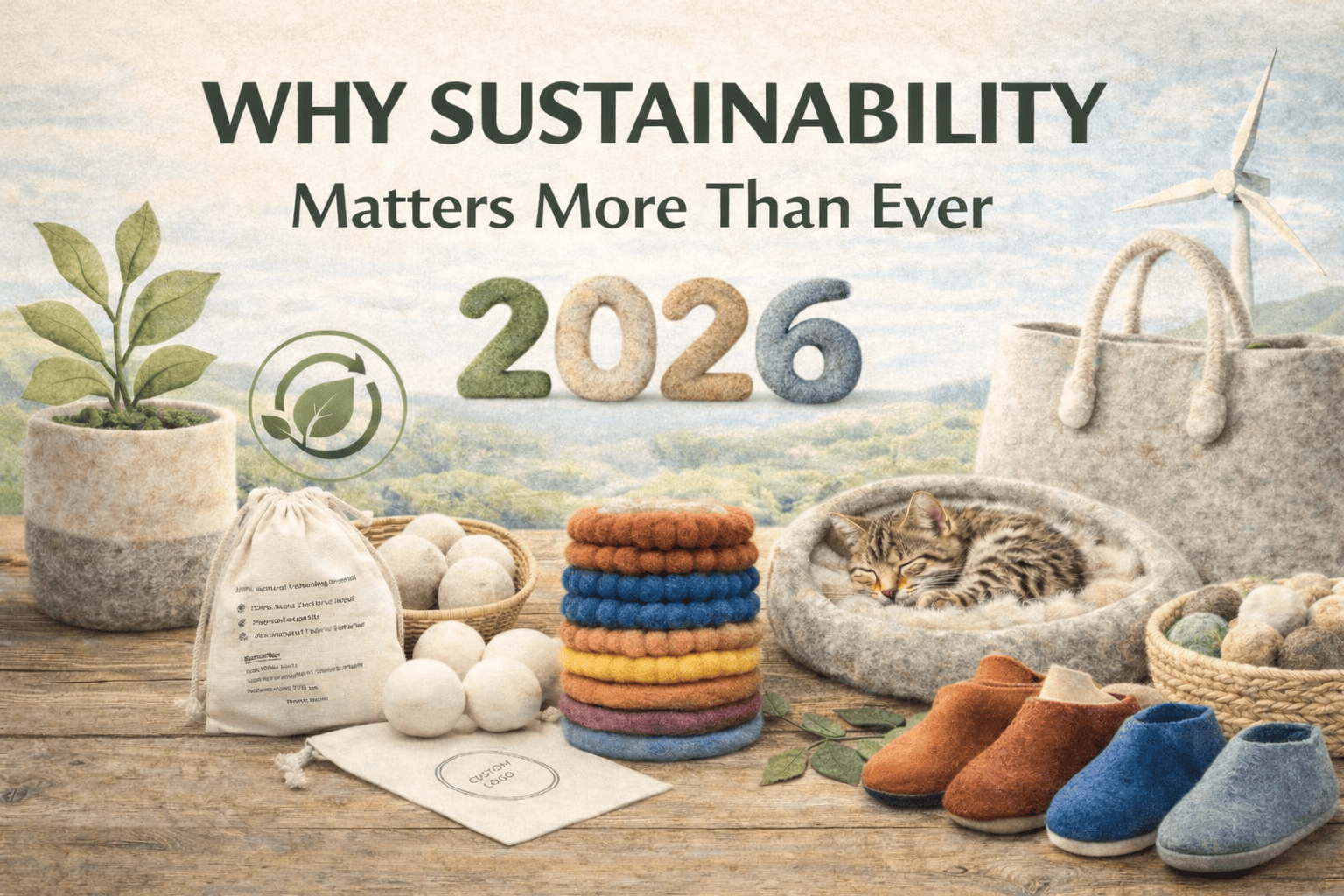
Why Sustainability Matters More Than Ever in 2026

Consumer expectations have shifted dramatically over the past few years. Studies consistently show that modern buyers actively seek out brands that demonstrate genuine commitment to environmental stewardship. This isn't just about marketing—it's about building lasting relationships with customers who share your values.

For businesses in crafting, manufacturing, interior design, and retail, the materials you source directly impact your carbon footprint. Choosing sustainable materials like eco-friendly felt demonstrates foresight and responsibility that resonates with both B2B partners and end consumers.

Understanding Wholesale Felt: What Makes It Sustainable?

Felt stands out among textile materials for several environmental reasons. Unlike synthetic fabrics that rely heavily on petroleum-based products, high-quality felt can be produced from natural wool fibers or recycled materials, significantly reducing reliance on non-renewable resources.

Natural Wool Felt

Wool felt represents one of the oldest and most sustainable textile manufacturing processes. Sheep produce new wool annually, making it a genuinely renewable resource. The felting process itself requires minimal chemical intervention compared to other fabric production methods, and the resulting material is naturally biodegradable at the end of its lifecycle.

Recycled Felt Options

Many felt for eco-friendly businesses now comes from recycled sources, including post-consumer plastic bottles and reclaimed textile fibers. This approach diverts waste from landfills while creating durable, high-performance materials suitable for various commercial applications.

The Business Case for Bulk Felt Purchasing

Beyond environmental benefits, bulk felt for businesses offers compelling economic advantages that align perfectly with sustainability goals.

Reduced Shipping Impact

Ordering wholesale quantities means fewer individual shipments throughout the year. This consolidation dramatically reduces the carbon emissions associated with transportation while also lowering your shipping costs. A single bulk order of felt fabric for businesses can replace dozens of smaller orders, cutting both environmental impact and logistical complexity.

Less Packaging Waste

Wholesale orders typically use more efficient packaging ratios. Instead of multiple small packages with individual protective materials, bulk felt arrives in optimized packaging that generates significantly less waste per unit of product.

Cost Efficiency for Reinvestment

The cost savings from wholesale purchasing free up capital that can be redirected toward other sustainability initiatives. Whether that means investing in renewable energy, supporting ethical suppliers, or developing eco-friendly product lines, the financial benefits of sustainable felt sourcing create a positive cycle of environmental improvement.

Practical Steps to Start Your Sustainable Felt Journey

Ready to make 2026 the year your business embraces sustainable materials? Here's a practical roadmap for integrating wholesale felt into your operations.

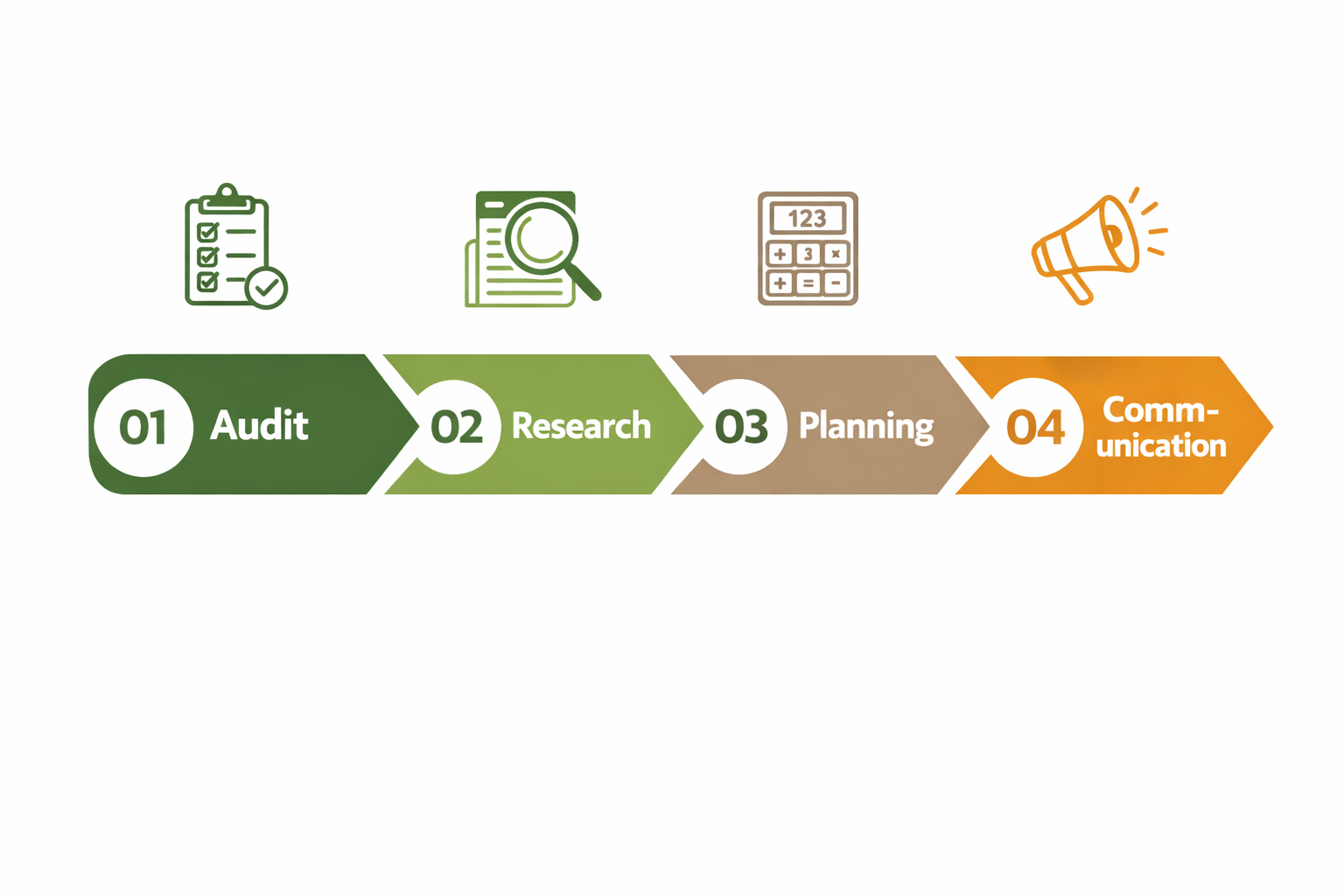
Step 1: Audit Your Current Material Usage

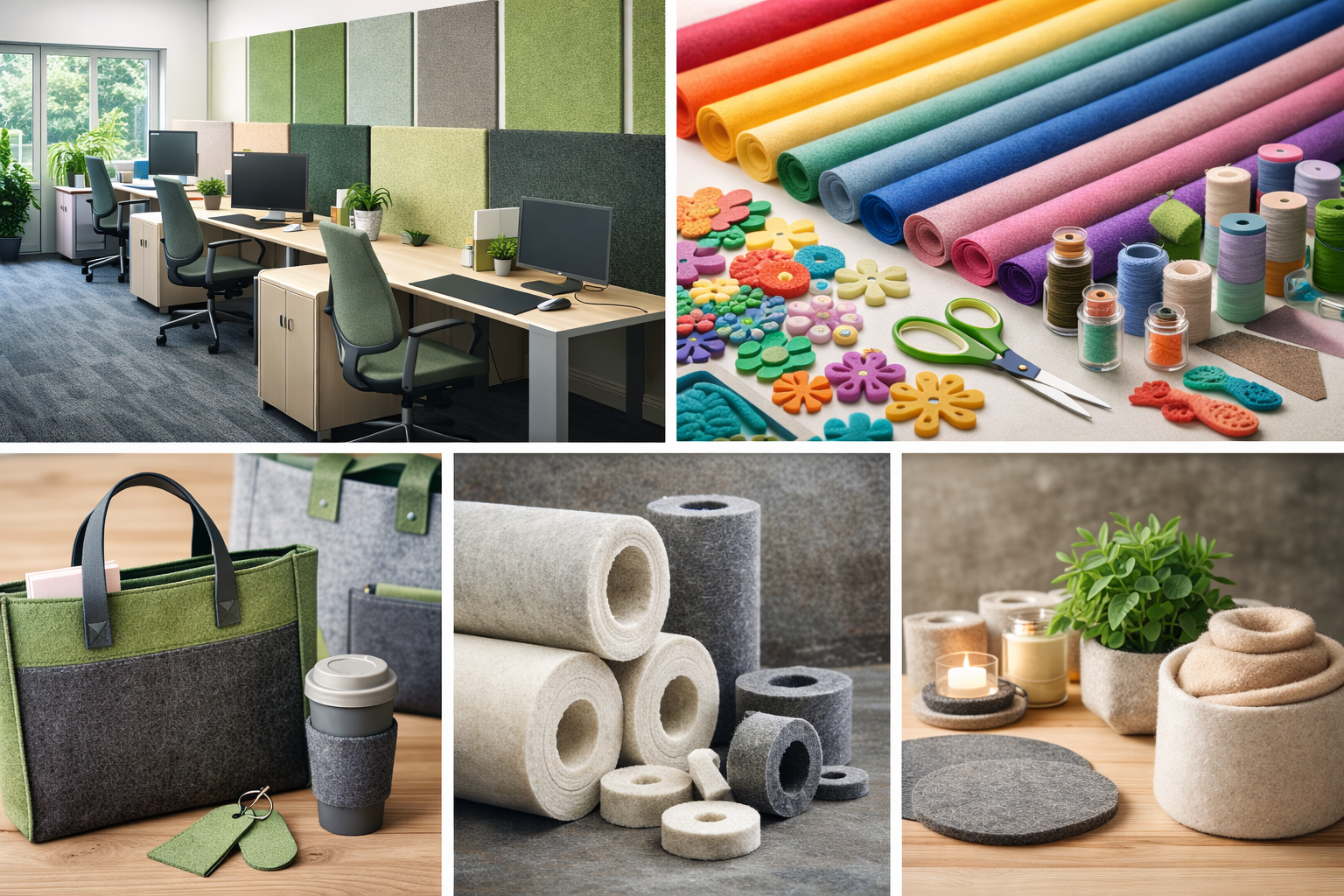
Before making changes, understand where felt could replace less sustainable materials in your products or operations. Identify applications where felt's properties—durability, sound absorption, thermal insulation, aesthetic appeal—would serve well.

Step 2: Research and Sample

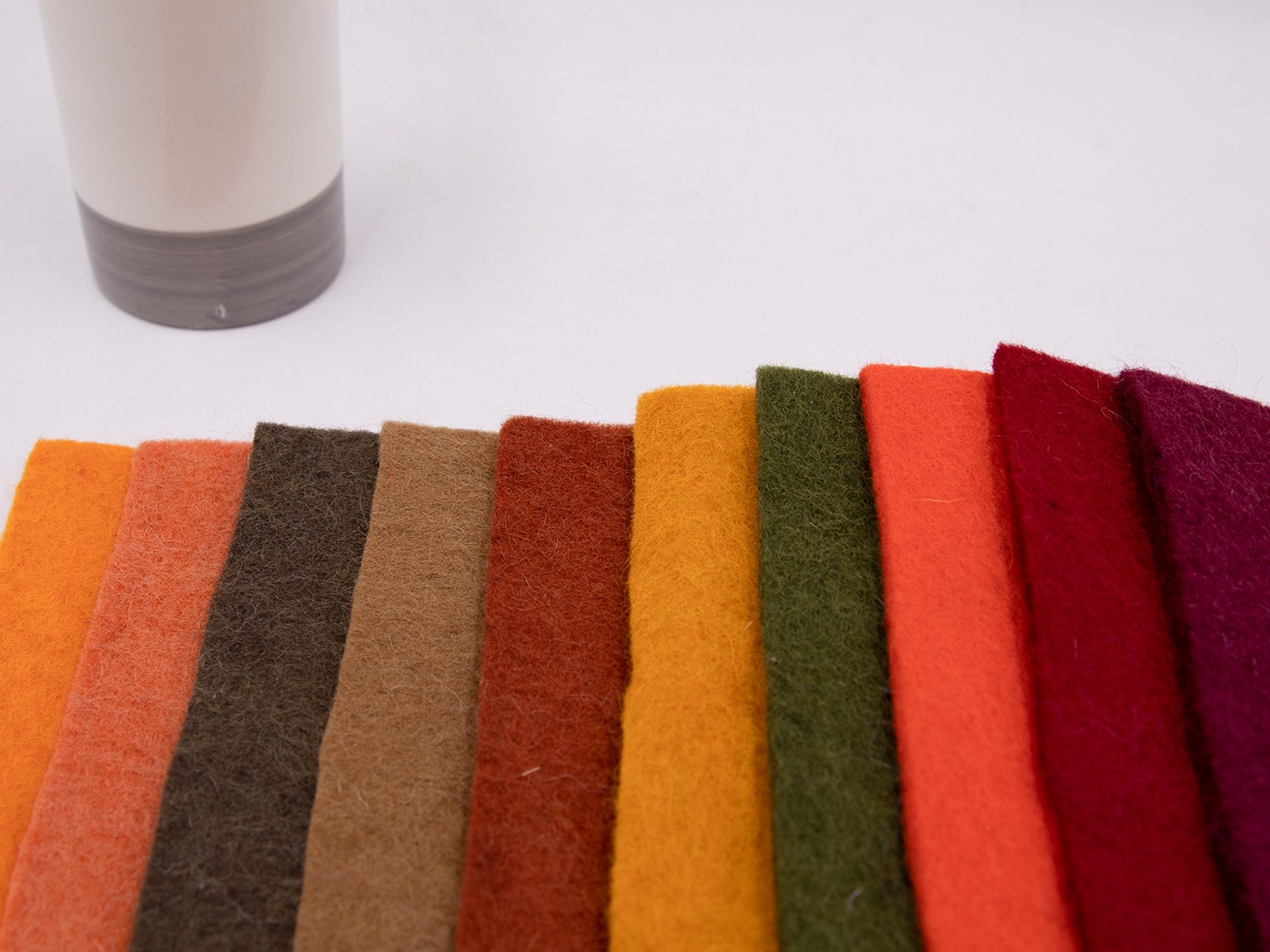
Request samples from multiple suppliers to evaluate quality, color options, and thickness variations. Test samples in your actual applications to ensure they meet performance requirements before committing to bulk orders.

Step 3: Calculate Your Annual Needs

Estimate your yearly felt consumption to take full advantage of wholesale pricing and minimize shipping frequency. Consider seasonal variations and growth projections to avoid stockouts while preventing excessive inventory.

Step 4: Communicate Your Values

Once you've integrated sustainable felt into your business, share this commitment with your customers. Update your marketing materials, product descriptions, and website to highlight your use of eco-friendly materials.

Make 2026 Your Year of Sustainable Growth

Starting the year with intentional choices about your material sourcing sets the tone for everything that follows. Wholesale felt offers a rare combination of environmental responsibility, economic efficiency, and practical versatility that serves businesses across industries.

By choosing sustainable felt sourcing, you're not just purchasing a material—you're investing in a business philosophy that resonates with modern consumers, reduces your environmental impact, and positions your company for long-term success in an increasingly eco-conscious marketplace.

The time to act is now. As you plan your inventory and supplier relationships for 2026, consider how bulk felt for businesses can help you achieve your sustainability goals while strengthening your bottom line. Your customers, your community, and the planet will thank you for making the sustainable choice

What is the minimum order quantity for wholesale felt?

Our wholesale pricing begins at 10 units. Contact our team for customized pricing—we often accommodate smaller quantities for first-time orders.

Is wool felt more sustainable than synthetic alternatives?

Yes. Wool is renewable, requires minimal chemical processing, and is naturally biodegradable. Our felt comes from ethically managed farms with sustainable practices.

Can I request custom colors or thicknesses?

Absolutely! We offer custom color matching and thicknesses from 1mm to 10mm. Custom orders require 4-6 weeks lead time.

Can I use Felt and Yarn's sustainability credentials in my own marketing?

Yes! We encourage our wholesale partners to share their commitment to sustainable sourcing.

What's the best way to get started with a wholesale account?

Visit feltandyarn.com/wholesale to register, or You can also email our wholesale team directly at info@feltandyarn.com with information about your business and material needs.