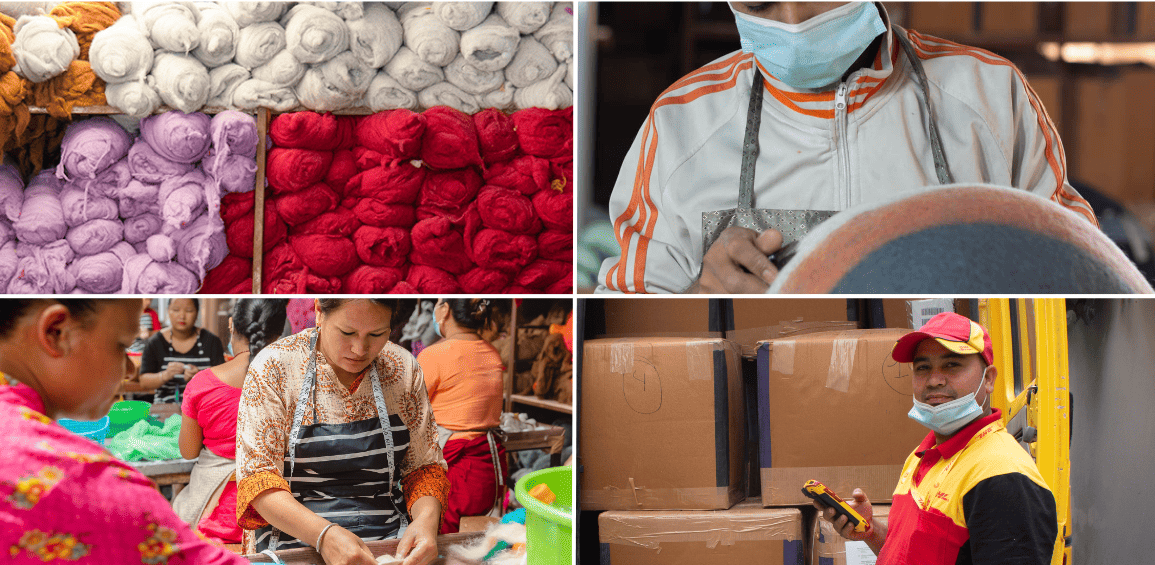
If you’ve ever compared felt products side by side and wondered why some feel softer, last longer, or cost more, you’re not alone. This question comes up often, especially among retailers and conscious buyers trying to balance quality, pricing, and ethics.

At first glance, it might seem simple. It’s just wool pressed together, right? Not quite. The way a product is made — by hand or by machine — changes almost everything: texture, durability, environmental impact, and even the story behind the product.

Let’s break it down honestly, without buzzwords or sales fluff.

What’s the Difference Between Handmade and Machine-Made Felt?

Handmade felt is created using natural wool and traditional techniques, resulting in a thicker, more durable, and eco-friendly material. Machine-made felt is produced using industrial processes, often with synthetic fibers, making it more uniform and affordable but less durable. The main differences lie in texture, sustainability, ethical impact, and longevity.

How Felt Is Made: A Quick Foundation

Felt is created when fibers are compressed using moisture, heat, and friction. That’s where the similarity ends.

  • Machine-made felt is produced using industrial processes that often rely on synthetic binders, uniform pressure, and speed.
  • Handmade felt is created slowly by skilled artisans using traditional techniques, using 100% natural wool and minimal machinery.

Both have a place in the market. The difference lies in purpose, quality, and values.

Handmade Felt: Crafted, Not Manufactured

Handmade felt is exactly what it sounds like — felt created by hand, often in small batches, using time-tested methods. At Felt & Yarn, this process is deeply tied to fair trade principles and women-led artisan communities in Nepal.

What Makes Handmade Felt Different?

1. Natural Materials: Handmade felt typically uses 100% pure New Zealand wool, dyed with eco-friendly, azo-free dyes. This results in richer color depth and a softer, more organic texture that synthetic blends simply cannot replicate.

2. Texture You Can Feel: No two handmade felt pieces are identical. Slight variations in thickness or shape aren’t flaws — they’re proof of human craftsmanship. Customers notice this immediately when they touch products like our stone and pebble rugs, where the individual texture of each felted stone adds a tactile richness.

3. Strength Through Process Because the wool fibers are worked slowly and thoroughly, handmade felt tends to be denser and more durable. This matters for products like felt flowers, décor, garlands, and craft supplies intended to last beyond a single season.

4. Ethical Impact This is where artisan-made felt truly stands apart. Handmade felt supports fair wages, safe working conditions, and long-term employment for women artisans. In many cases, felt-making provides a consistent income in regions where opportunities are limited.

Read more on our blog: How to Start Your Small Business with Handmade Crafts

For retailers, this isn’t just a feel-good story — it’s a social impact inventory customers increasingly seek out.

Machine-Made Felt: Fast, Uniform, and Functional

Machine-made felt is produced on a large scale, often using synthetic fibers or blended materials. It’s designed for efficiency and consistency.

Where Machine-Made Felt Fits Best

  • Industrial applications
  • Budget-focused craft projects
  • Disposable or short-term use items

Machine felt is uniform, predictable, and inexpensive. For certain uses, that’s perfectly fine. But there are trade-offs.

Limitations to Know About

  • Shorter lifespan: Fibers are often bonded rather than naturally interlocked, making the felt more prone to tearing or flattening.
  • Synthetic content: Many machine-made felts rely heavily on polyester or chemical binders.
  • Limited storytelling: There’s no artisan, no tradition, and no ethical sourcing narrative to share with customers.

For retailers trying to build a values-driven brand, this lack of story can be a drawback.

Why Handmade Felt Costs More — And Why That’s Okay

This is the question customers rarely ask out loud but always think about: Why is handmade felt more expensive?

The answer is simple — but important. You’re not just paying for material. You’re paying for:

  • Skilled labor
  • Time
  • Fair wages
  • Ethical working conditions
  • Sustainable sourcing

When retailers stock fair trade felt wholesale—whether it's wool yarns or finished goods—they’re investing in a supply chain that prioritizes people as much as products. That cost difference reflects real human work, not inflated margins.

Interestingly, many retailers find that handmade felt improves margins over the long term. Why? Because customers perceive higher value, experience better durability, and are more likely to repurchase.

A Real-World Retail Example

A small home décor store once stocked both machine-made felt ornaments and handmade felt flowers. Initially, the machine-made items sold faster — lower price point, less explanation needed.

Then the owner added simple product tags explaining that women artisans crafted the handmade felt flowers through fair trade practices.

Learn more about gift-worthy felt items: The Best Eco-friendly Gifts for Loved Ones in 2025

Within weeks, the trend flipped. Customers began choosing the handmade option, even at a higher price. Not because they were told to, but because they understood why it mattered. Education changed purchasing behavior.

Handmade vs Machine-Made Felt: Key Differences

Feature

Handmade Felt

Machine-Made Felt

Materials

Natural wool

Synthetic or blended

Texture

Soft, organic, varied

Uniform, flat

Durability

High

Moderate to low

Sustainability

Eco-friendly

Depends on materials

Ethical impact

Supports artisans

Typically none

Price

Higher

Lower

Why This Difference Matters for Retailers Right Now

Consumers today are more informed than ever. They research materials, ask questions, and expect transparency. For retailers, this creates both a challenge and an opportunity.

Explaining the difference between handmade and machine-made felt:

  • Reduces price resistance
  • Builds trust
  • Strengthens brand positioning
  • Supports ethical sourcing for retailers

And with growing interest in sustainability, artisan work, and women-led production, handmade felt aligns naturally with where the market is headed.

Final Thoughts: Choosing Felt with Intention

Both handmade and machine-made felt exist for a reason. The key is understanding what you’re offering and why.

If your goal is low cost and speed, machine-made felt may be a good fit. But if you value quality, longevity, and meaningful impact, handmade felt offers something deeper.

For Felt & Yarn, handmade felt isn’t a trend. It’s a commitment to craftsmanship, to women artisans, and to ethical trade.

And when customers understand that, they don’t just buy felt.
They buy into the story behind it.

Frequently Asked Questions

1. What is the main difference between handmade felt and machine-made felt?

The main difference lies in how the fibers are bonded. Handmade felt is created by hand-rolling, rubbing, and layering wool fibers using moisture and agitation, resulting in a denser, more organic texture. Machine-made felt is produced using industrial equipment that bonds fibers quickly, creating a uniform and consistent sheet ideal for mass production.

2. Is handmade felt better quality than machine-made felt?

Handmade felt is often considered higher quality for artisanal and craft projects because it’s thicker, stronger, and made from natural wool fibers. Machine-made felt offers consistency and affordability but may lack the durability and richness of handmade felt. Many crafters prefer handmade wool felt for projects where texture and longevity matter.

3. Why is handmade felt usually more expensive?

Handmade felt requires skilled labor, time, and high-quality natural fibers, which increases production costs. Each sheet is individually crafted, making no two pieces exactly alike. This craftsmanship and attention to detail are why premium handmade felt—like the wool felt available at Felt & Yarn—is priced higher than factory-made alternatives.

4. How can you tell if felt is handmade or machine-made?

You can identify handmade felt by its slightly uneven edges, thicker body, and rich texture. Machine-made felt tends to be thinner, smoother, and perfectly uniform. Handmade felt also usually has better resistance to tearing and fraying, especially when made from 100% wool.

5. Which type of felt is more durable: handmade or machine-made?

Handmade felt is generally more durable, especially wool-based varieties. The manual felting process tightly binds fibers together, making it stronger and longer-lasting. This makes handmade felt ideal for crafts, décor, and sewing projects that require sturdiness, such as ornaments, toys, and embroidery bases.

6. Is there a difference in texture between handmade and machine-made felt?

Yes, there’s a noticeable difference. Handmade felt has a soft yet firm texture with natural depth, while machine-made felt feels flatter and more synthetic. If you’re looking for premium texture and a natural finish for creative projects, handmade felt from trusted suppliers like Felt & Yarn offers a clear advantage.