Your cart
There are no more items in your cart
Wool is one of the most loved natural fibers in the world — but did you know there are many different types of wool yarn, each with its own texture, warmth, and crafting benefits?
From ultra-soft Merino wool to durable Corriedale and traditional Shetland wool, every type of wool behaves differently when used for knitting, felting, or crafting. Understanding these differences can help DIY crafters, makers, and small business owners choose the perfect wool for their projects.
In this complete wool guide, we’ll explore the most popular types of wool, where they come from, what makes them unique, and how to choose the right wool for crafts, clothing, or felt creations.
Wool is a natural fiber obtained from animals such as sheep, goats, rabbits, and alpacas. While many people associate wool only with sheep, there are actually many wool types produced by different animals.
Each type of wool has unique characteristics such as:
These qualities make wool perfect for crafting, knitting, felt making, and home décor products.
For DIY crafters and fiber artists, understanding wool types helps you select the right material for felt toys, rugs, slippers, or handmade décor.
Before we begin, the different types of wool will help you understand the benefits of wool. Wool has some properties that other natural fibers such as cotton and linen do not.
Wool is a special fiber that naturally absorbs water to reduce coolness and does not pierce through the fibers. This allows the wool to resist external moisture such as rain and snow while at the same time absorbing moisture from the skin. Scale gives wool garments a dry-skin feel even after absorbing moisture.
Merino wool is unique and the best wool type in that it absorbs bacterial odors and traps them to prevent their build-up. Merino wool products are highly odor resistant due to their natural antibacterial properties that do not bind bacteria and are perfect for trips and long hikes where you don't have space to pack your things.
Wool is biodegradable. It is a natural, renewable resource, and sheep will continue to produce wool as long as there is grass to eat. When wool is discarded, it naturally decomposes, slowly releasing valuable nutrients into the earth.
Washing wool is so easy, and many wool garments are machine washable, giving you more time to do what you love. It is to produce bright colors. And the other hand is that it is properly washable in cold water as well. It also does not pill or shrink.
Wool is a powerful natural insulator as the fibers act as a heat shield. In colder climates, wool retains heat and helps cool the air. It is also the best wool type, odor-resistant, absorbent, and moisture-wicking. Wool is also odor-resistant, absorbent, and moisture-wicking, and small air pockets in the fabric trap body heat, providing excellent insulation.
The types of wool depending on the type of sheep breed, the type of animal, places, etc. to get the wool. The same breed of sheep can produce different types of wool depending on how they are cared for.
Here, we are breaking down things you need to know about the most common types of wool.
Merino wool is considered one of the softest and finest types of wool available. It comes from Merino sheep originally bred in Spain and now widely raised in Australia and New Zealand.
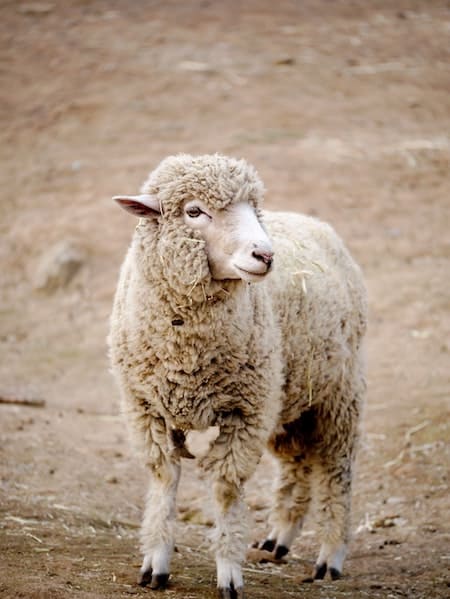
Key characteristics
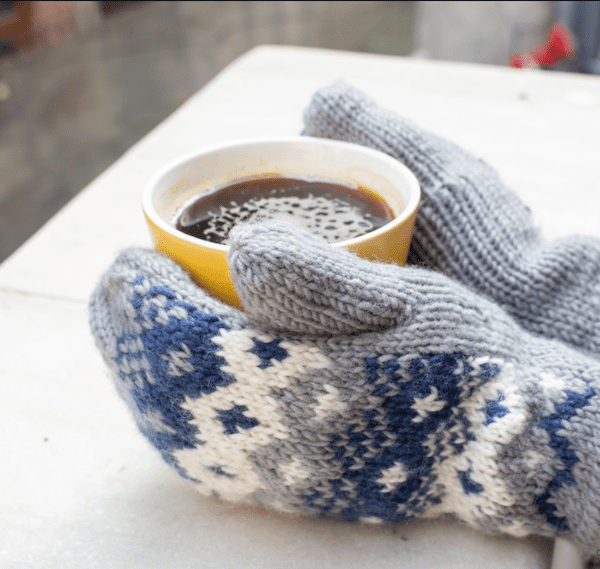
Because of its softness and flexibility, Merino wool is widely used in wet felting, scarves, sweaters, and craft supplies.
Lambswool comes from the first shearing of a young sheep, usually around seven months old.
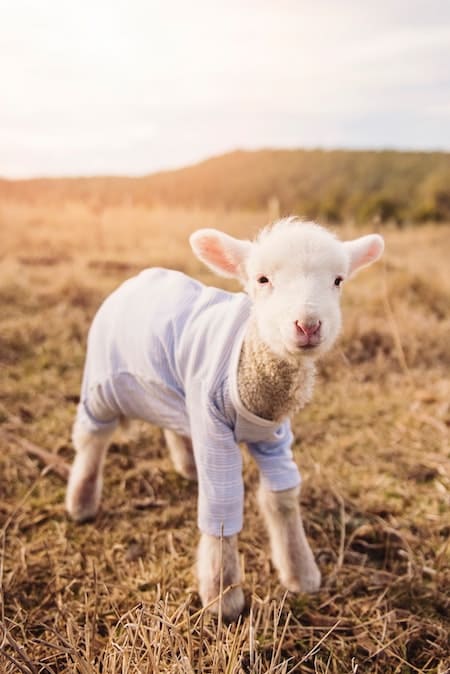
Features
Lambswool is commonly used in sweaters, scarves, and fine knitwear. More information about this can be found in our previous blog "Why do sheep need shearing?"
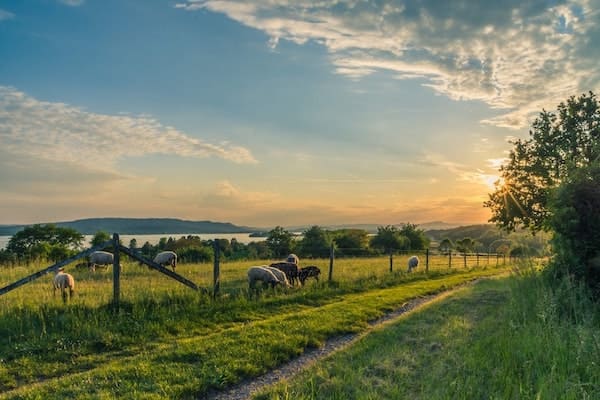
Shetland wool comes from sheep raised on the Shetland Islands of Scotland.
Compared to Merino wool, it is:
Shetland wool is commonly used in traditional knitting, sweaters, blankets, and textured yarns.
Alpaca wool comes from alpacas native to South America.
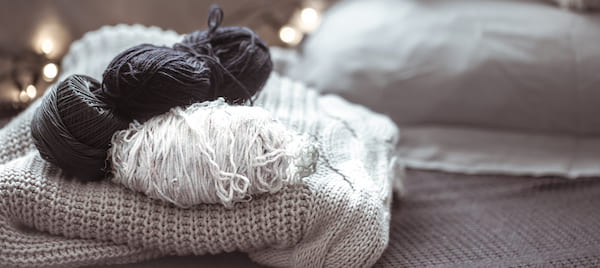
It is known for being:
This makes alpaca wool ideal for blankets, coats, and luxury knitwear.
Alpaca wool comes from alpacas native to South America.
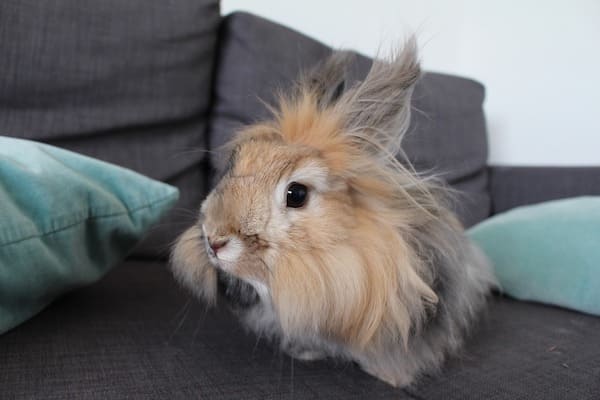
Characteristics include:
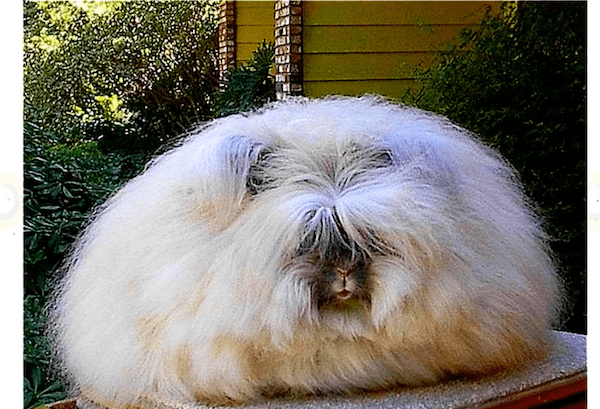
Because it is delicate, angora wool is often blended with other fibers.
Mohair comes from Angora goats and is known for its durability and shine.
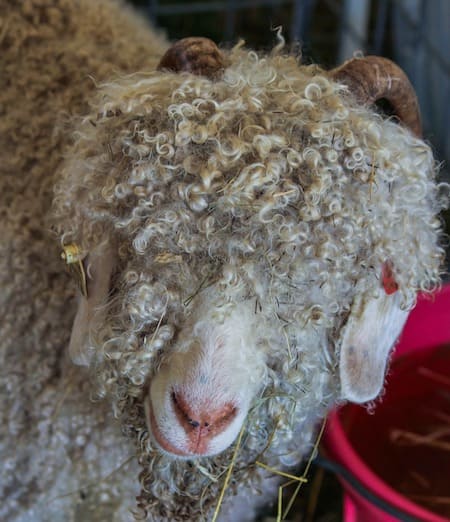
Features:
Mohair is commonly used for scarves, sweaters, suits, and upholstery fabrics.
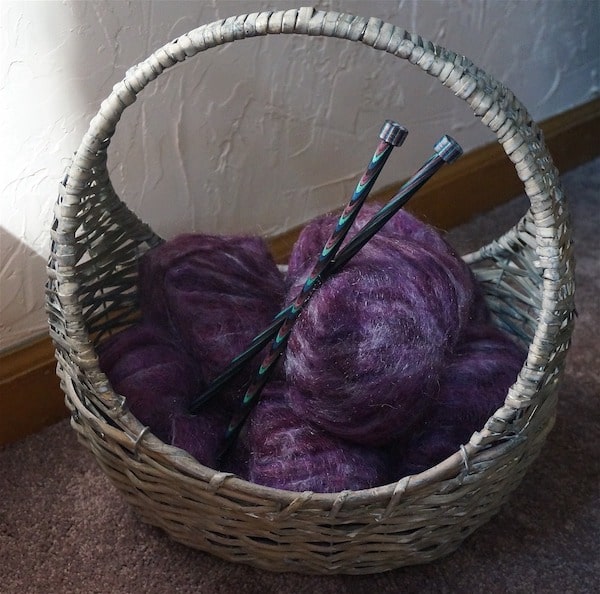
Cashmere is one of the most luxurious wool types, sourced from goats found in the Himalayan region.
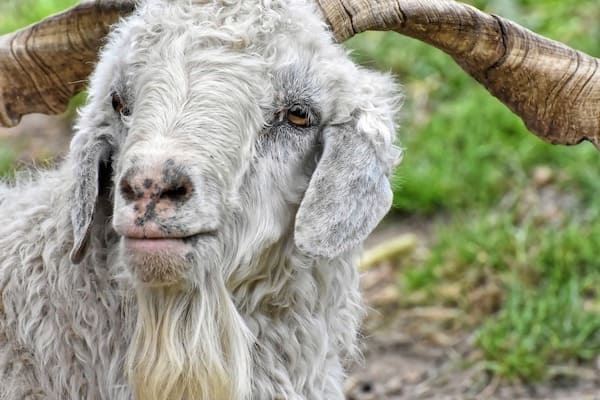
It is known for:
Because each goat produces only a small amount of fiber per year, cashmere is considered a premium material.
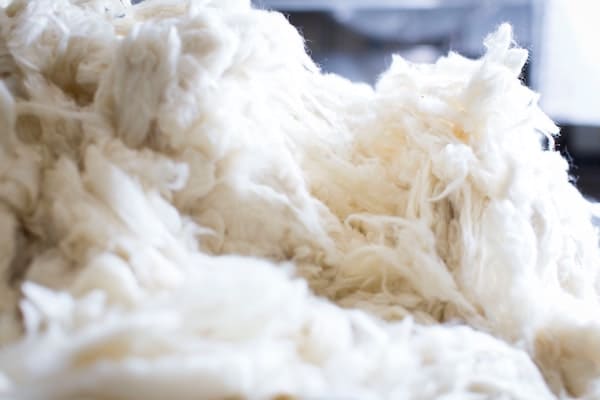
Corriedale wool is a crossbred sheep wool popular among fiber artists and felt makers.
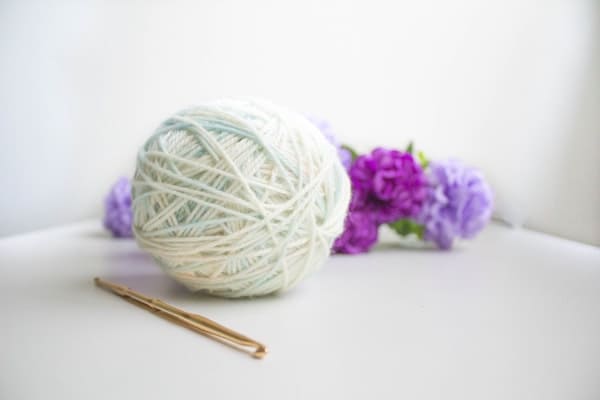
Characteristics:
This wool is widely used for craft supplies, yarn production, and handmade textile projects.
When selecting wool yarn, consider:
Softness – important for clothing
Durability – needed for rugs or home décor
Felting ability – important for craft projects
Warmth – essential for winter items
High-quality wool is widely used for felt crafts, slippers, rugs, toys, and decorative home products.
Wool comes in many forms, each offering unique benefits for crafting and textile creation. Whether you choose Merino, Shetland, Corriedale, or Alpaca, understanding their differences helps you create better projects.
For DIY crafters, educators, and handmade business owners, learning about types of wool yarn makes it easier to choose the right fiber for knitting, felting, and creative work.
Some of the most common wool yarn types include Merino, Shetland, Lambswool, Alpaca, Mohair, Angora, Cashmere, and Corriedale wool. Each has different softness, warmth, and durability.
Yes. Shetland wool is very warm because its fibers trap air effectively. While slightly coarser than Merino wool, it provides excellent insulation for winter garments.
Merino wool is softer and finer, making it ideal for clothing worn directly on the skin. Shetland wool is more durable and textured, making it great for sweaters and traditional knitwear.
Coarser wool types such as Shetland or Corriedale tend to feel heavier, while finer wool like Merino or Cashmere is lighter and softer.
Merino wool and Corriedale wool are among the best options for felting because their fibers bond easily during the felting process.
![Colorful Felt Wool Roving Pack [100 G] -Felt & Yarn](https://www.feltandyarn.com/7234-home_default/bulk-wool-roving-for-needle-felting-40gram-roll.jpg)