Your cart
There are no more items in your cart
The history of clothing started in the early human stage but the use of fabric and weaving textile started in the late stone age. With the development of the human race, people have started using different fabric materials as a form of cloth.
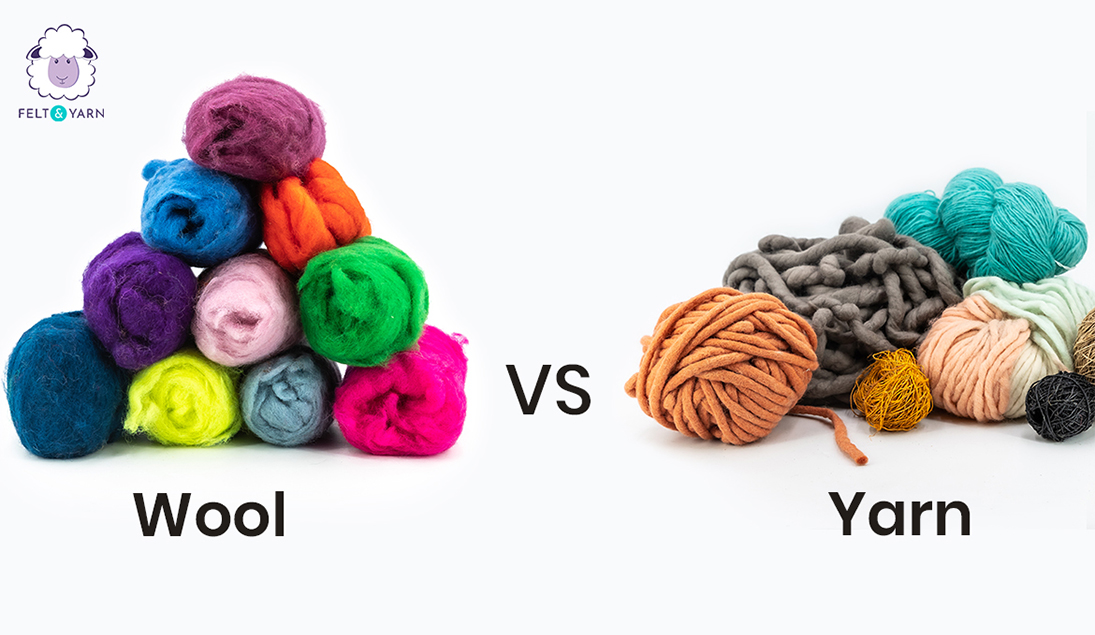
For centuries, yarn and wool have been used as the most common form of fabric for clothing. And when learning about various crafts, you might have come across these two terms and you might not know their difference.
So what exactly is the difference between wool and yarn? Let’s learn about it in this blog.
Basic Definition: Source of wool and yarn
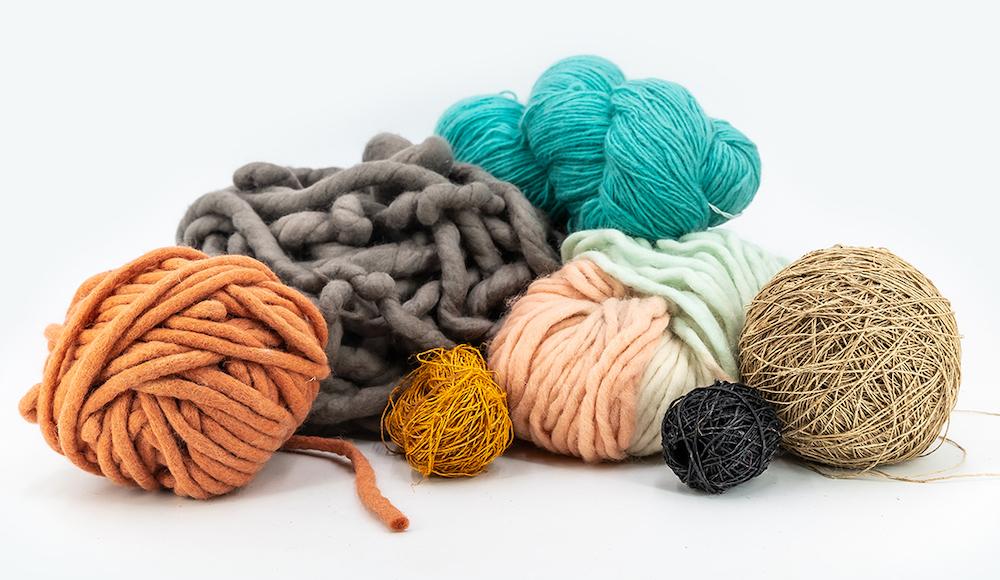
Yarn is basically a length of fiber used to create fabric. It is the oldest and most common textile fiber that is made up of natural protein fibers twisted together into strands. Yarn is a type of thread used for sewing and embroidery. The term "yarn" can refer to fabrics that have been knit or woven with yarn thread.
Yarn can be made from natural or synthetic fibers. It is used in the production of fabrics and also used in a number of crafts including knitting, crocheting, weaving, embroidery, and sewing.
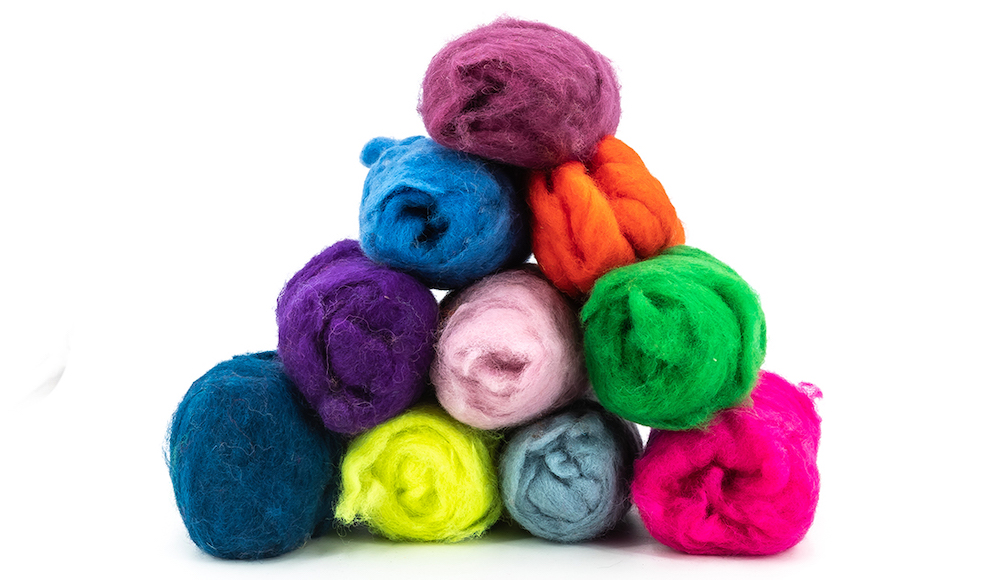
Wool on the other hand is an animal fiber that originates from animals. Wool, as commonly known is derived mostly from the fleece of sheep. However, we can also find wool produced from different animals like goats, rabbits, lambs, etc.
Wool is the raw material that can be and is used to make yarn. Wool is often spun to make the yarn which is later used in knitting, crocheting, weaving, etc. you get it.
Types of Wool and Yarn
Wool
Wool only comes from animal fiber making it a natural fiber. However, we can find different types of wool that originate from different animals. The type of wool depends on the animal type, type of sheep breed, etc. some of the most common wool types are:
1 Merino wool
Merino wool is one of the most expensive and luxurious types of fine wool. Made up of fine smaller fiber scale, it is the world’s softest wool. Its fiber diameter is just around 10-20 microns thick and is mostly used to make mittens, scarfs, etc.
2 Lambswool
It is the first wool that is sheared from a young sheep or lamb hence the name lambswool. Also known as virgin wool, it is also fine, soft, and smooth as merino wool. Great for those with sensitive skin, lambswool is a popular choice for most types of clothing.
3 Alpaca Hair
Made from the fiber of Alpaca, a native animal of South America, Alpaca hair is versatile wool as you can find them fine as well as coarse. It is soft and lighter than sheep wool with high insulation. They are used for blankets and coats.
4 Cashmere
Obtained from goats, cashmere wool comes from specific goats found in the ‘Kashmir Region of India, Pakistan, China, Iraq, etc. Cashmere is known for its lightness, softness, and warmth. It is fine, delicate, and light and has a wonderfully subtle sheen.
5 Corriedale
Regarded as the oldest crossbred wool breed, Corriedale is a popular fiber among fiber artists. Naturally soft, durable, and warm, it is less fine than merino and other wool making it best for felting. They also have fine even crimp making them best for knitters and weavers. They are best for a variety of knitwear, blankets, yarns, etc.
These are some of the well-known wool fibers out there. You can learn more about them and other types of wool in our wool guide blog.
Yarn
As mentioned above, yarn is basically the length of the fiber. Yarn is a fiber used to make textiles. It is a natural fiber and there are different types of yarns. The best yarn for you depends on what kind of clothes you are wearing. Different kinds of yarns are used to make different kinds of clothes. Some are used for making sweaters, some are used for making jeans, and some are used for making knits.
1 Natural yarn
A. Animal-based yarn
Animal-based yarns are made from animal hairs. So this basically means wool can be turned into yarn. Like wool, animal-based yarns are also categorized based on wool. You can find yarns like merino wool yarn, cashmere yarn, sheep wool yarn, angora yarn, alpaca yarn, etc.
Besides these, you can also find silk yarn which is made from the protein of animals or insects instead of their hair. Silk yarn is created from the cocoon of mulberry silkworm larvae. It is primarily known for its drape and sheen.
B Plant-based yarn
Plant-based yarns are a great natural alternative to animal yarn and are made from plant fibers. You can also find varieties of plant-based yarn based on the plant they are extracted from.
Made from the cotton plant’s fiber that protects the seeds and helps in seed dispersal, cotton yarn is the most common plant fiber yarn. Similarly, linen is another common plant-based yarn made from flax plant fiber.
You can also find some unimagined plant yarns like banana yarn and hemp yarn. You can find these amazing yarns on our website too.
2 Synthetic or Artificial Yarn
As the name suggests, these yarns are man-made and artificial. These yarns are made using complicated chemical processes and are cheaper but not-so environment friendly as natural fiber.
Nylon and rayon are the most common synthetic yarn known to most people and they are coal and petroleum-based. These yarns are easy to wash and dry and are common in most of the fabrics found in the market.
So these are the most common differences between wool and yarn that you should know. Besides these, we can find differences like yarn is used to make any fabrics while wool is used to make woolen fiber. Yarn is mostly used in the textile industry whereas wool is used mostly in fiber industries.
Learn more about wool in our “Wool Guide: Types of Wool You Should Know” blog. You can read more about yarn in our “Yarn Basics: Everything You Need To Know About Yarn-Textile” blog.
You can also check out more facts about wool and sheep in our “Facts you might not know about wool and sheep” blog.
Lastly, you can head on to our Website and Etsy store to find amazing wool felt products and Yarn fibers. Find these high-quality products at the best affordable price.
FAQs
What is the difference between yarn and wool?
The main difference between yarn and wool is that wool is a natural fiber obtained from animals like sheep, alpacas, or goats, while yarn is a spun thread made from fibers that can be natural, synthetic, or blended. Wool can be used to make yarn, but not all yarn is made from wool.
Are yarn and wool the same thing?
No, yarn and wool are not the same thing. Wool is a raw fiber, whereas yarn is the finished strand created by spinning fibers together for knitting, crocheting, weaving, and crafting.
What is wool yarn?
Wool yarn is yarn made from animal wool fibers such as sheep wool, merino wool, alpaca wool, or cashmere. It is known for warmth, softness, durability, and insulation, making it popular for knitting and felt crafts.
What does wool yarn mean?
Wool yarn meaning refers to spun yarn created using wool fibers from animals. It can be used for sweaters, scarves, blankets, felt crafts, rugs, and handmade décor items.
Yarn vs wool — which is better?
Neither is better because they serve different purposes. Wool is valued for warmth and natural insulation, while yarn refers to the final textile strand used in crafting. The best choice depends on your project needs, texture preference, and durability requirements.
Can yarn be made without wool?
Yes. Yarn can be made from cotton, linen, bamboo, acrylic, nylon, hemp, silk, and many other fibers. Wool is just one type of material used to create yarn.
Is wool always used for knitting yarn?
No. Many knitting yarns are made from cotton, acrylic, polyester, bamboo, or blended fibers. Wool yarn is simply one of the most popular options because it is warm and easy to work with.
What are the common types of wool yarn?
Some common types of wool yarn include Merino wool yarn, Shetland wool yarn, Cashmere yarn, Alpaca yarn, Mohair yarn, and Corriedale yarn. Each type offers different levels of softness, warmth, and durability.
Why is wool commonly used in yarn?
Wool fibers naturally stretch, insulate, absorb moisture, and felt easily. These qualities make wool ideal for spinning into yarn used in knitting, weaving, crochet, and felting crafts.
Which is better for felting: wool or synthetic yarn?
Natural wool works best for felting because its fibers easily bond together during the felting process. Synthetic yarns do not felt as effectively as natural wool fibers.